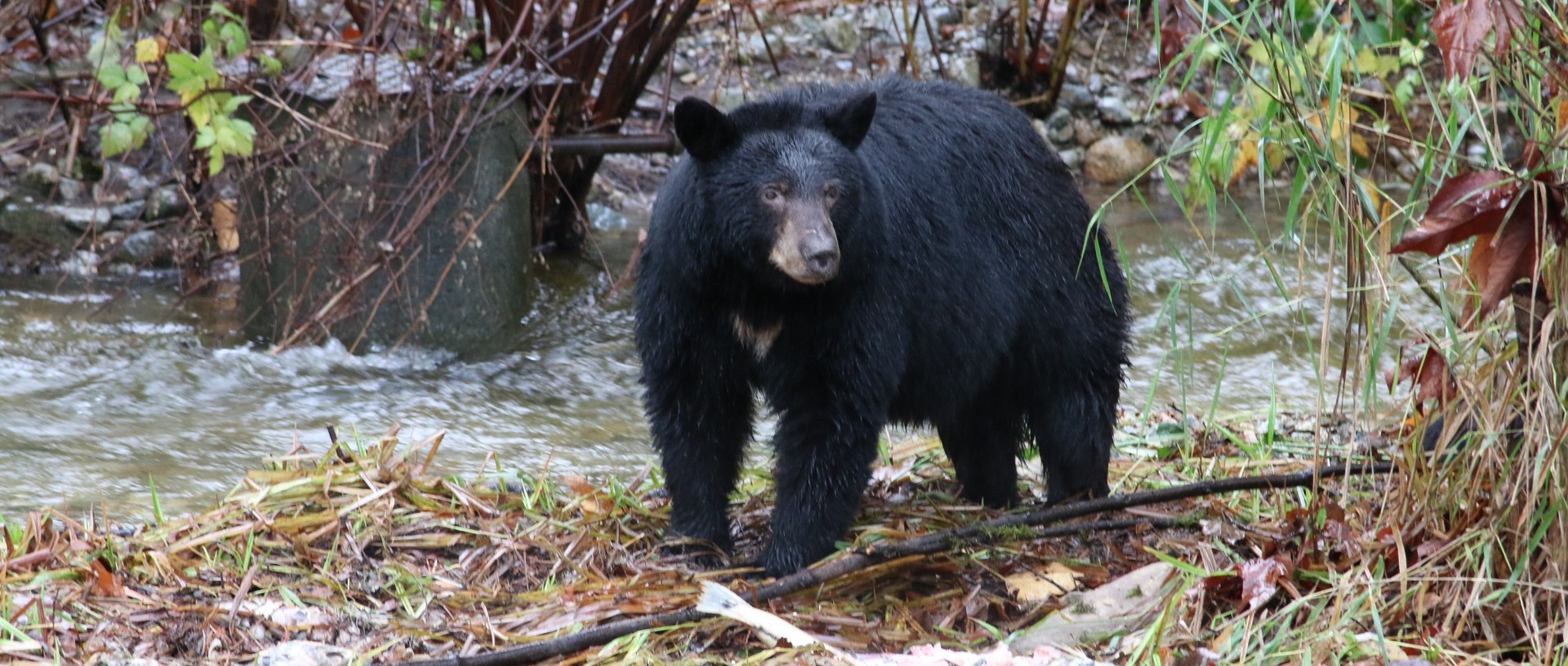
Living in British Columbia's Tri-Cities means sharing our stunning backyard with some of nature’s coolest neighbors: American black bears.
Because Coquitlam, Port Coquitlam, and Port Moody border beautiful forests and wildlife paths, we get a front-row seat to nature. While wildlife experts do not have an exact headcount because bears move around so much, we do know our neighborhood is one of the busiest bear zones in Metro Vancouver!
Instead of tracking numbers, conservation officers look at how often humans and bears meet. In a single year, the Tri-Cities recorded over 2,400 bear sightings and interactions. Coquitlam usually leads the way with over 1,100 visits, followed by Port Coquitlam with around 830, and Port Moody with about 399. If you take a family stroll along Port Moody’s Shoreline Trail or near Suter Brook and Klahanie, you might just spot one splashing near the creeks!
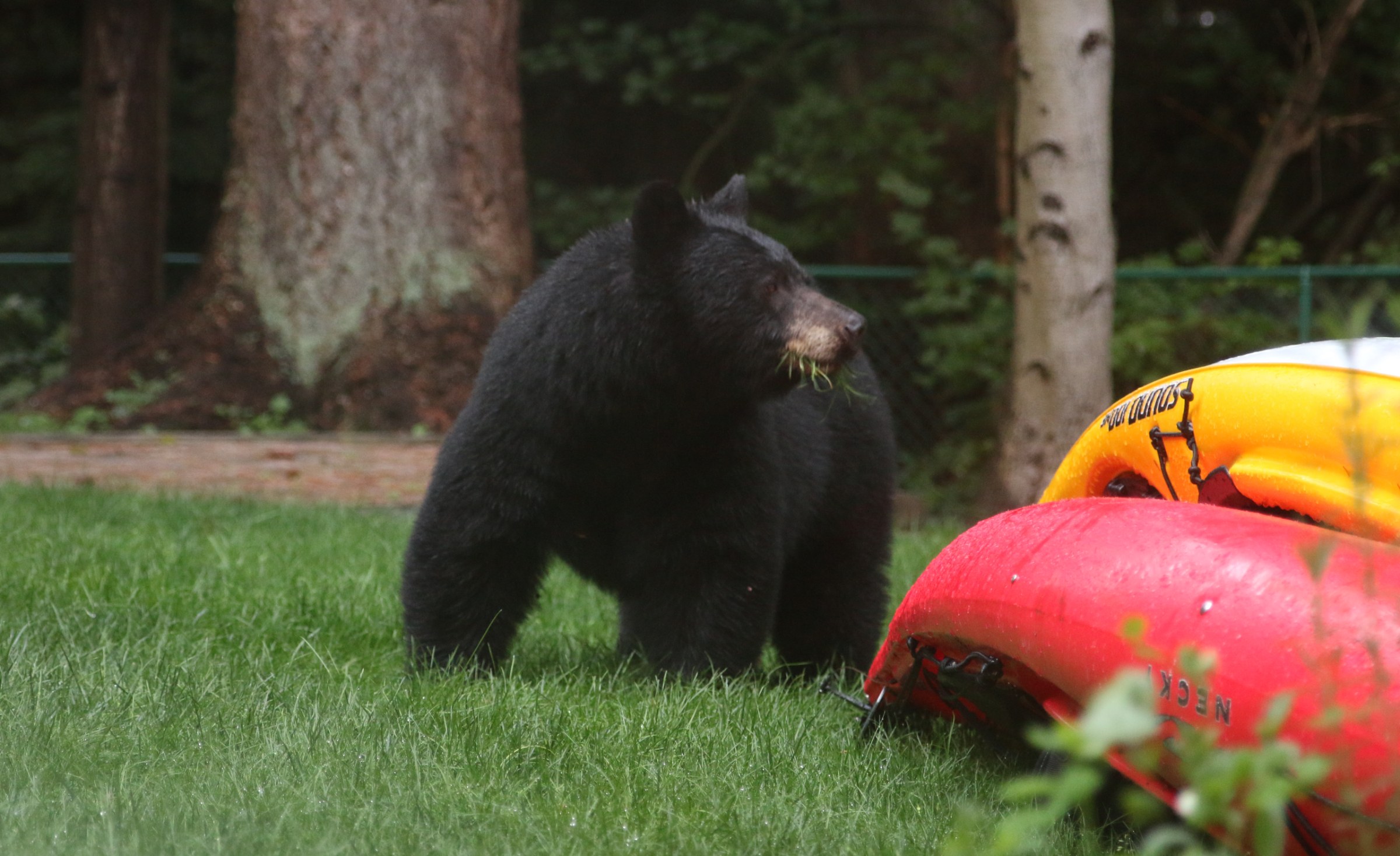
The Super-Sniffer: How Bears See Our World
Black bears are naturally shy, gentle, and intelligent animals that prefer to avoid humans. Most of the time, they only get into trouble because they are following their noses.
The Ultimate Sniffer: A bear's sense of smell is legendary. They can smell a treat from kilometers away!
The Snack Trap: Leftover garbage, bird feeders, and smelly pet food look like an easy all-you-can-eat buffet to a hungry bear.
Bad Habits: When bears get used to eating human food, they lose their natural fear of us. This is called habituation.
Bold Bears: A "food-conditioned" bear stops acting like a wild animal. They might break into cars or backyard sheds looking for their next meal.
The good news? Bears do not want to fight us. They usually only get grumpy if they are startled, cornered, or protecting their cute little cubs.
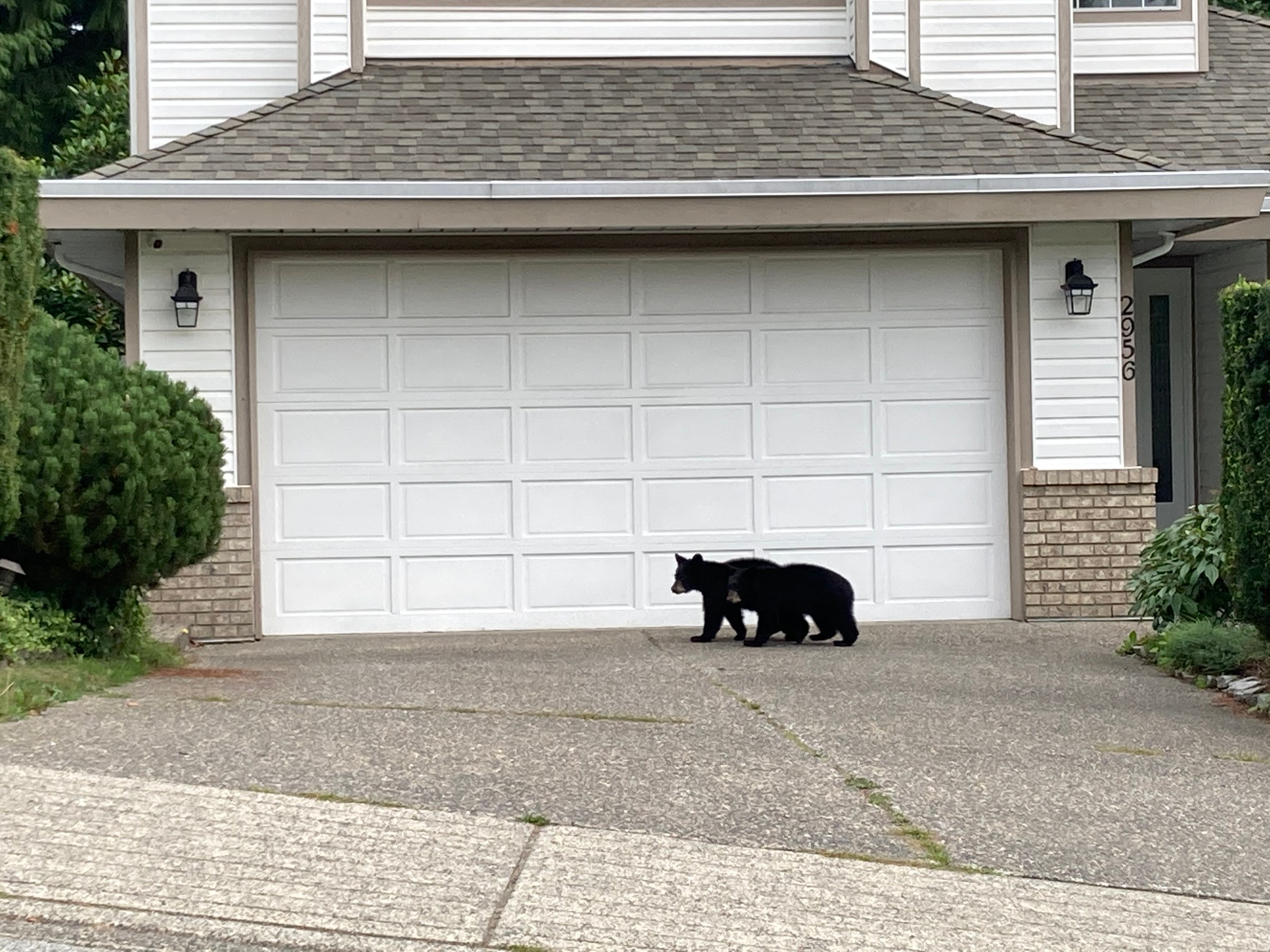
Becoming "Bear Smart" Superheroes
Thanks to teamwork and smart planning, the Tri-Cities is a world leader in keeping families and bears safe.
Both Coquitlam and Port Moody have officially earned the proud title of a "Bear Smart" Community from the B.C. Government. By focusing on prevention rather than punishment, Port Moody has even celebrated years with zero bears harmed by conservation officers!
Our Neighborhood Bear Rules:
The Morning Rush: In Coquitlam, families cannot put their trash carts on the curb until 5:30 a.m. on collection morning. This stops bears from snacking overnight. Local families are great at this, maintaining a 99.4% success rate!
Lock It Up: High-risk neighborhoods use special animal-resistant locking bins, and local parks feature heavy-duty, bear-proof trash cans.
The $500 Clean-Up Fine: Leaving unpicked fruit trees or messy garbage out can land homeowners a hefty $500 fine.
Bear Ambassadors: Friendly city workers and volunteers from Tri-Cities Bear Aware walk the streets to teach families how to secure barbecues and bird feeders.
Animal Highways: In newer areas like Coquitlam's Burke Mountain Village, builders must design special bridges and tunnels so bears can safely cross under roads without meeting cars.
A Year in the Life of a Bear: A Four-Season Adventure
A bear's behavior changes completely depending on the time of year. By understanding their seasonal calendar, your family can be ready all year round!
Spring (March–May): The Big Awakening
After a long winter sleep, bears wake up between March and April. They are super hungry, a bit groggy, and have lost up to 30% of their body weight! Because the snow melts in the valley first, they head straight into our green spaces looking for fresh green grass—bringing them close to our homes.
Summer (June–August): Trail Time & Evening Strolls
As mountain berries ripen, many bears pack up and head into the high hills of Eagle Mountain or Burke Mountain. To stay out of our way, these smart animals often become nocturnal, doing most of their traveling at night. If your family is hiking, remember to make noise, keep pets on a leash, and pack your picnic trash away safely!
Autumn (September–November): The 20,000-Calorie Challenge
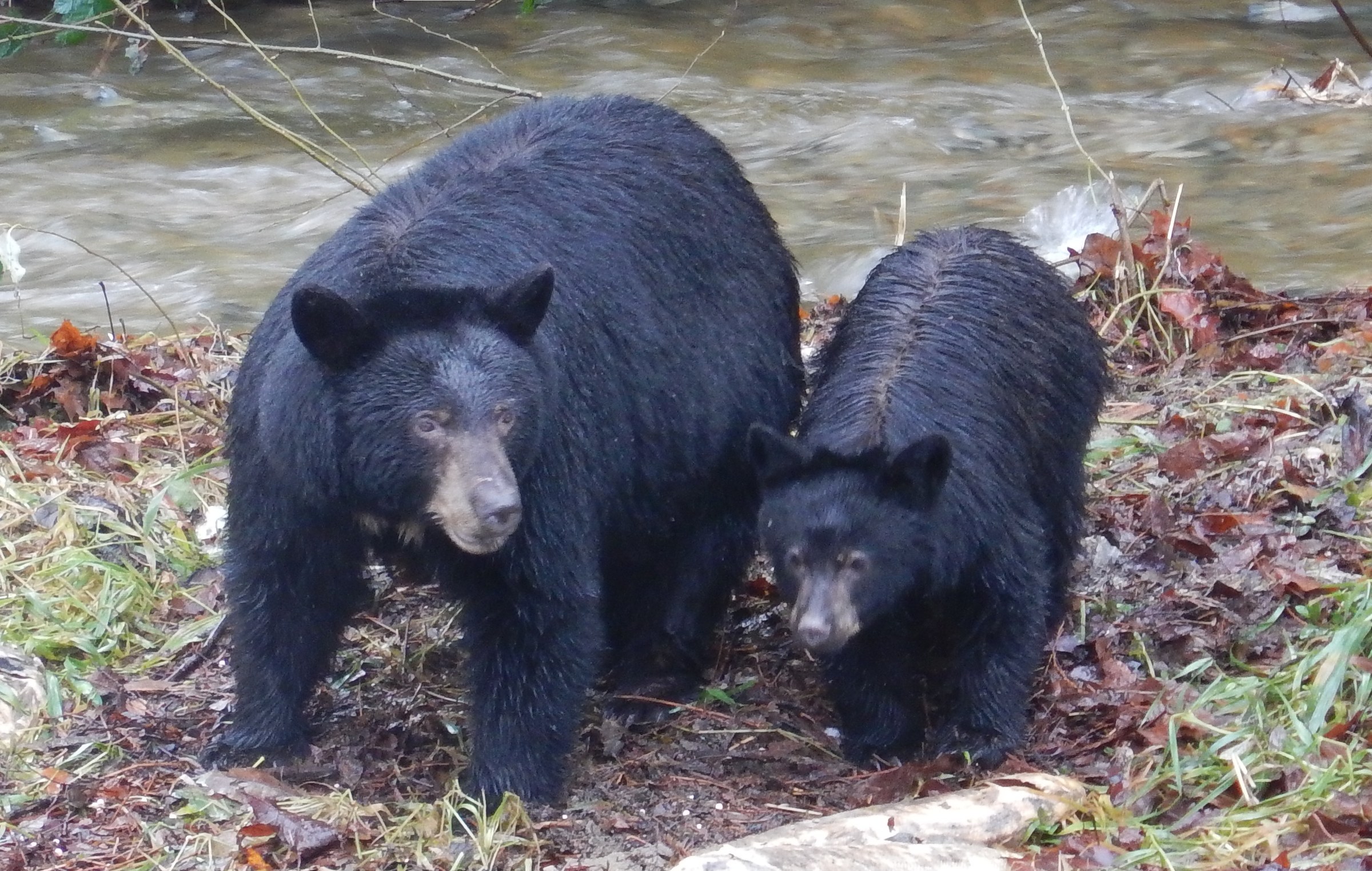
This is the busiest time of the year! Bears enter a stage called hyperphagia, which means "extreme eating." To get fat enough for winter, they need to eat 20,000 calories every single day. They crowd our river paths to catch salmon and wander into backyards looking for fallen apples. This is when keeping your yard clean matters most.
Winter (December–February): Cozy Dens & Coastal Twists
In the deep winter, bears usually curl up in cozy dens inside hollow trees or mountain caves for a long rest. However, because our South Coast winters are so mild and some neighborhoods accidentally leave food out, some urban bears skip hibernation completely! Because of these night-owl bears, Tri-Cities residents keep their trash locked up tight all 12 months of the year.
The Big Picture: Saving Their Home Protects Ours
At the heart of the "Bear Smart" movement is a simple truth: we aren't just managing wildlife; we are sharing a home.
As the Tri-Cities grow, our houses push closer to the edge of the wilderness. This makes preserving our local forests, wetlands, and river corridors more important than ever. When bears have healthy, untouched habitats, they can find all the wild berries, salmon, and insects they naturally need. Keeping these wild spaces intact ensures bears stay where they belong: wild, free, and out of our backyards.
A Paradise for Wildlife Photographers
This commitment to preserving nature creates an incredible opportunity for local wildlife photographers and nature lovers. Because the Tri-Cities safely maintains these vital wildlife corridors, it is one of the unique places in Metro Vancouver where you can capture stunning, ethical photographs of black bears acting naturally in their environment.
By practicing responsible coexistence, we protect both the bears and the spectacular visual stories they tell. Photographers play a massive role in this community by using long zoom lenses to stay at a safe distance, respecting park boundaries, and showing the world the true beauty of our wild neighbors.
By designing our communities with wildlife pathways, keeping our parks clean, and respecting the boundaries of the forest, we ensure that humans, bears, and artists can thrive side-by-side. Coexistence doesn’t mean keeping bears out of our lives entirely—it means protecting their natural home so we can safely enjoy ours.
My Tri-Cities Home
As a photographer, I wouldn't live anywhere else. Having this raw, breathtaking wilderness right on my doorstep—where a wild black bear might wander past the misty tree line just a few hundred metres from a local coffee shop—is a daily reminder of how special this place is. It takes a dedicated community to keep this balance alive, and there is nowhere else I'd rather capture the beautiful, messy, and magical intersection of human life and the great outdoors.
Gallery Photo caption:
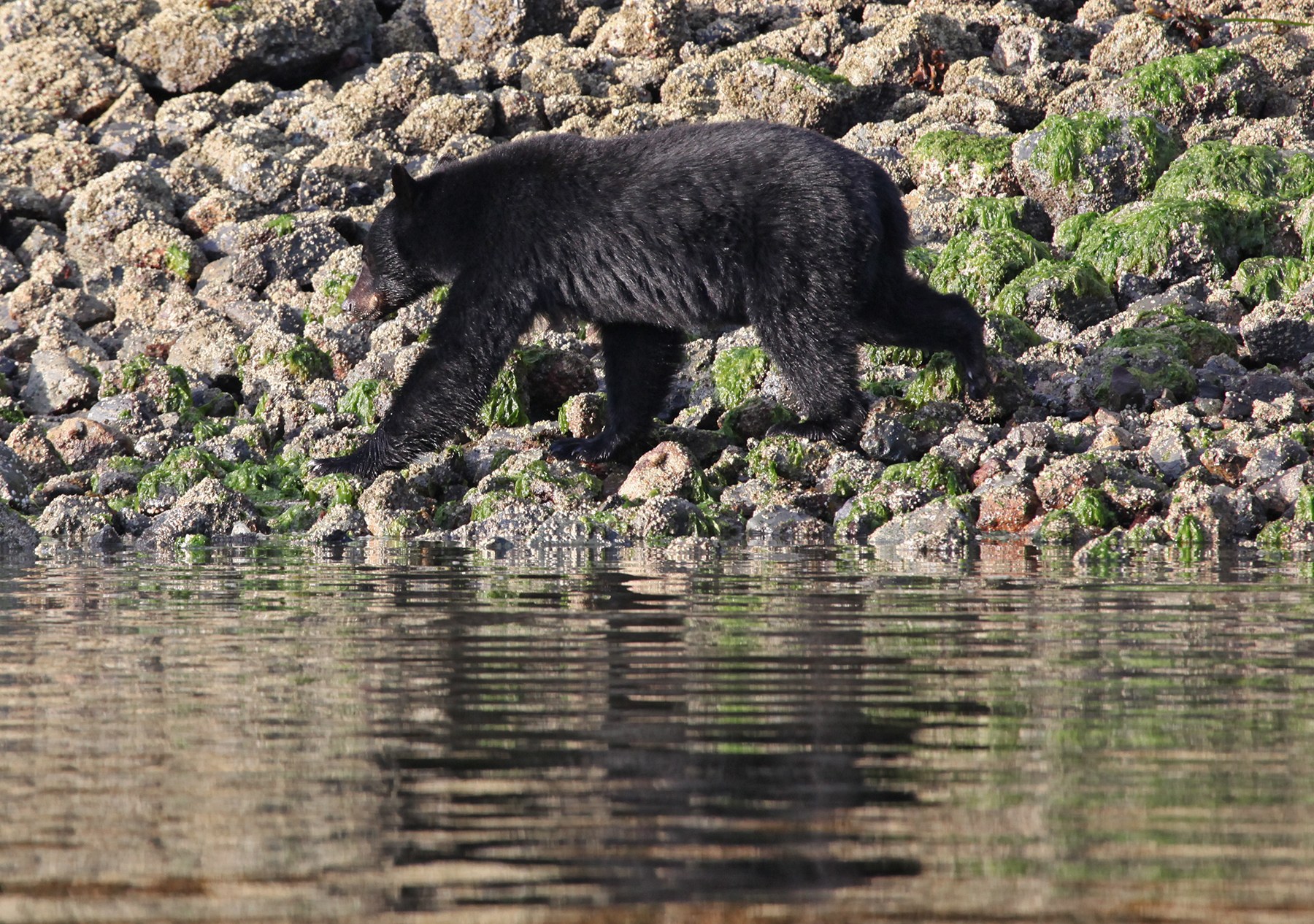
Feeding on seafood shells on the shore in Port Moody during low tide.
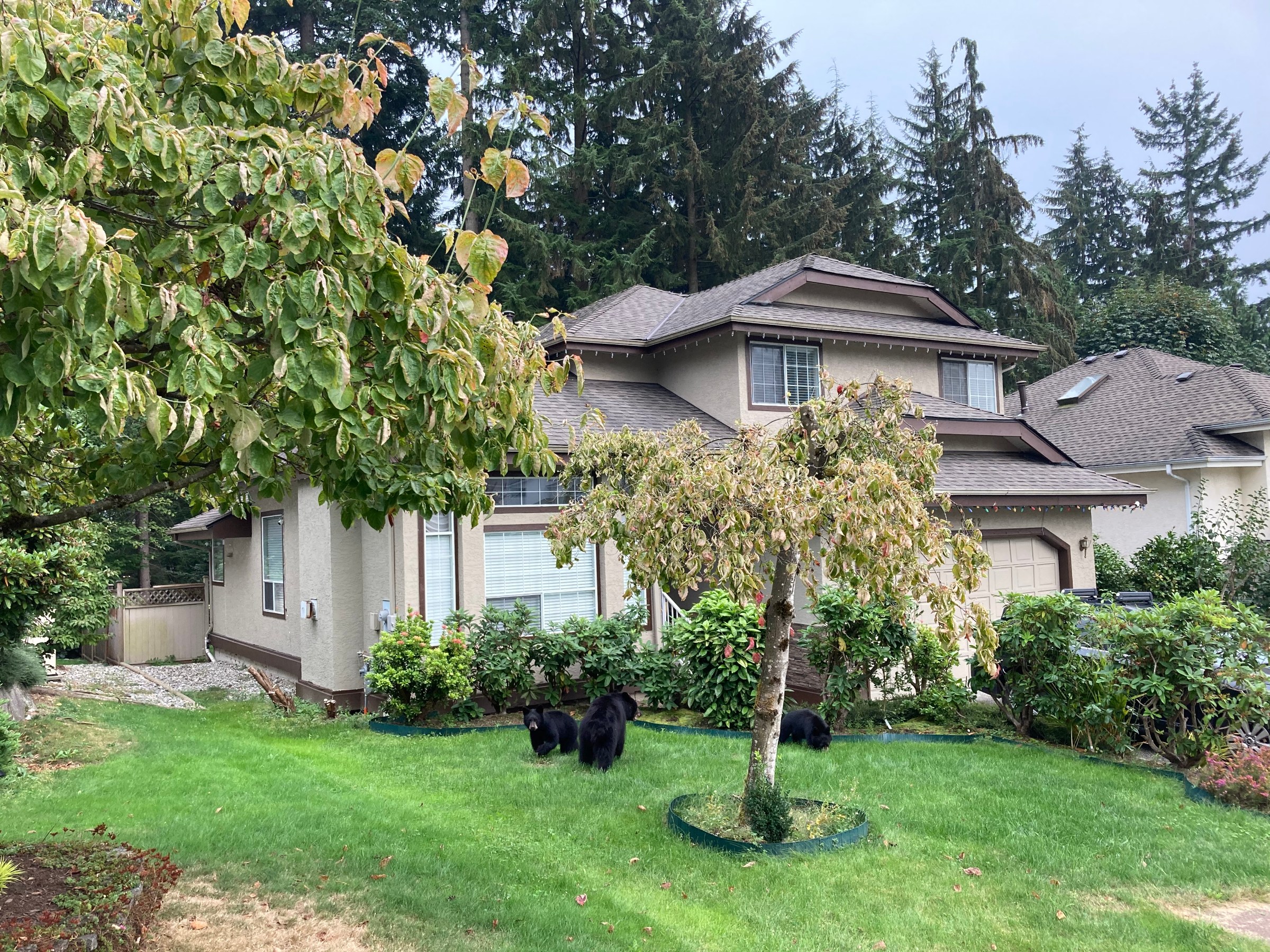
A Bear with two cubs in front of a residence in Westwood Plateau.
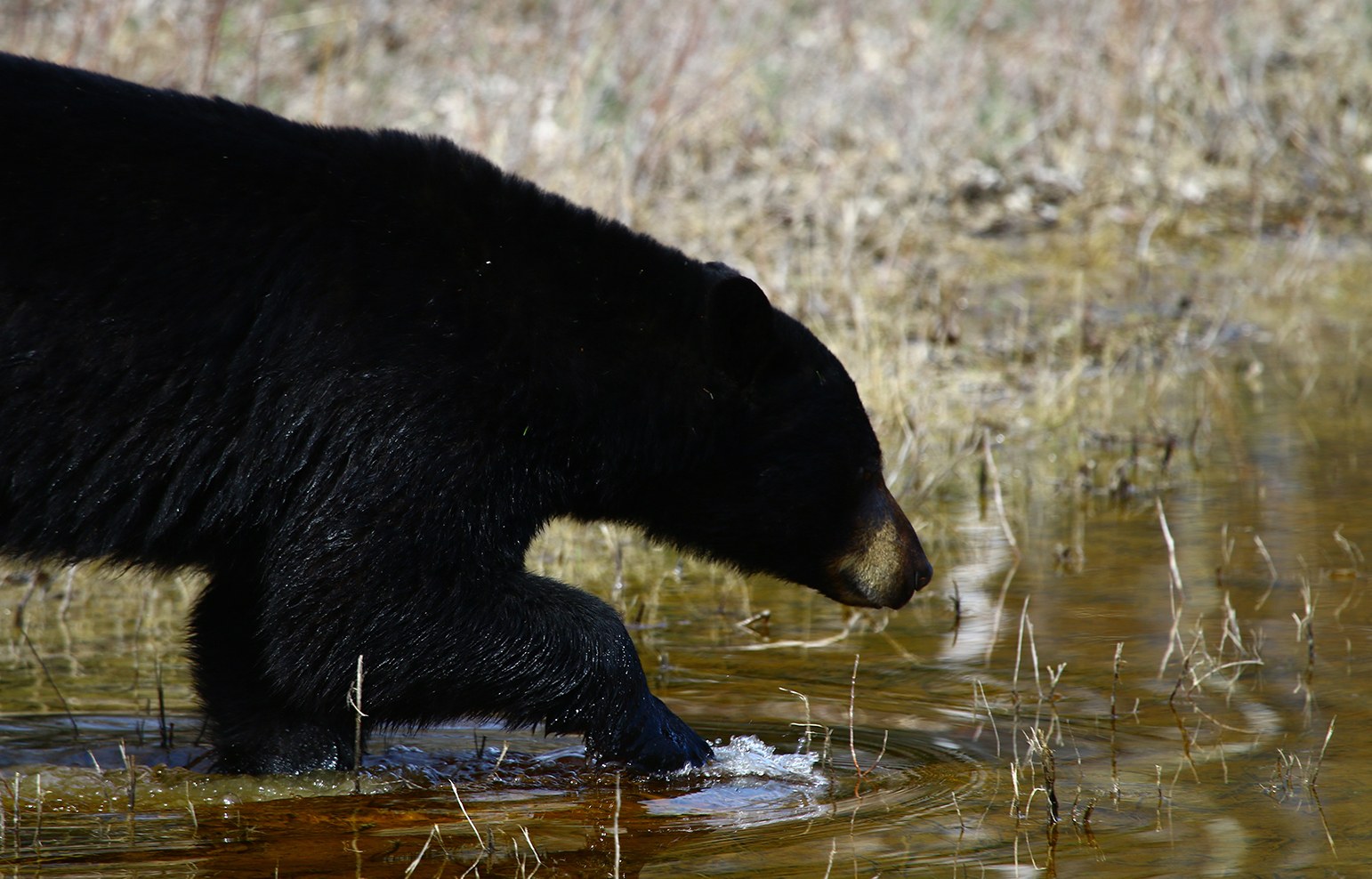
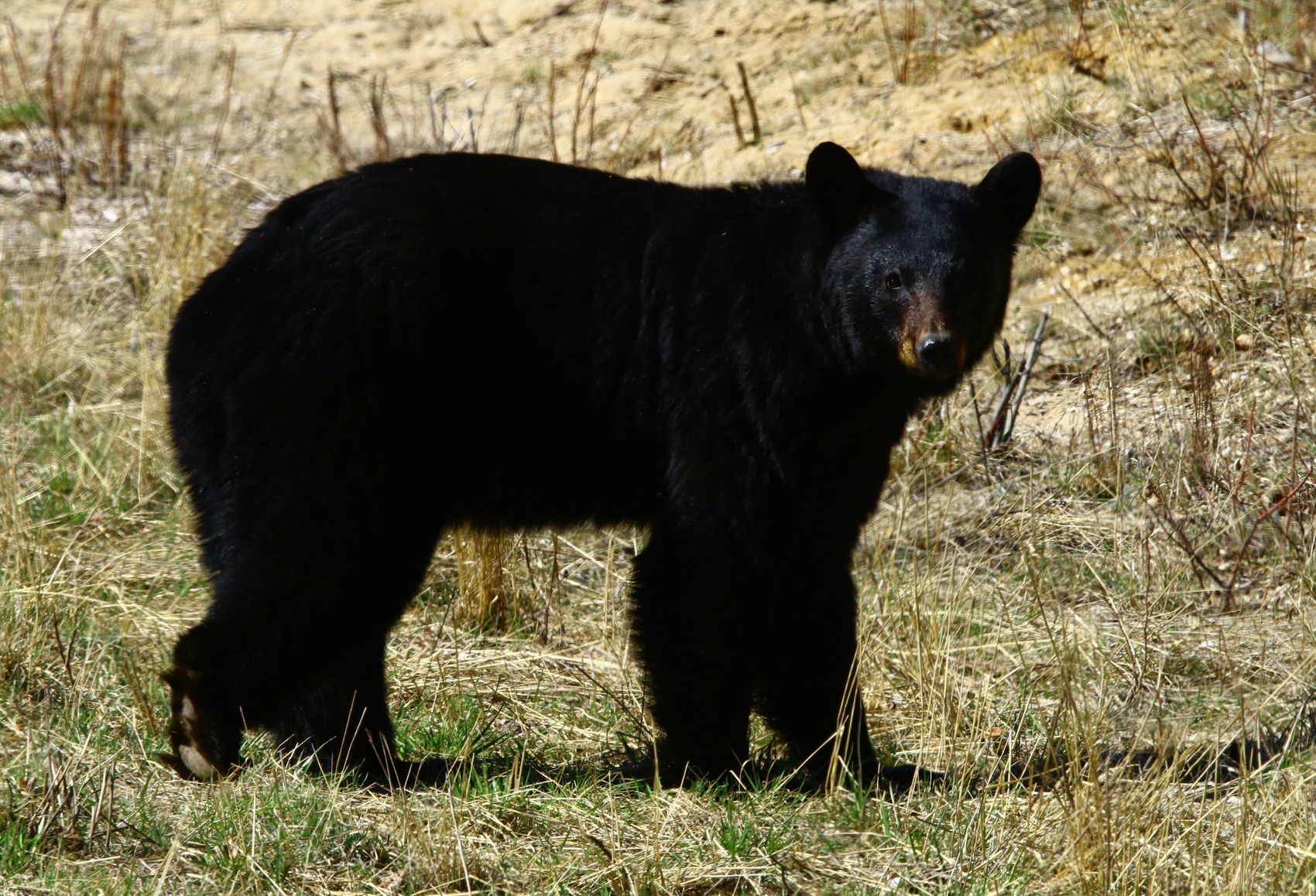
Posing for a Telezoom close to a berry field in Port Coquitlam.
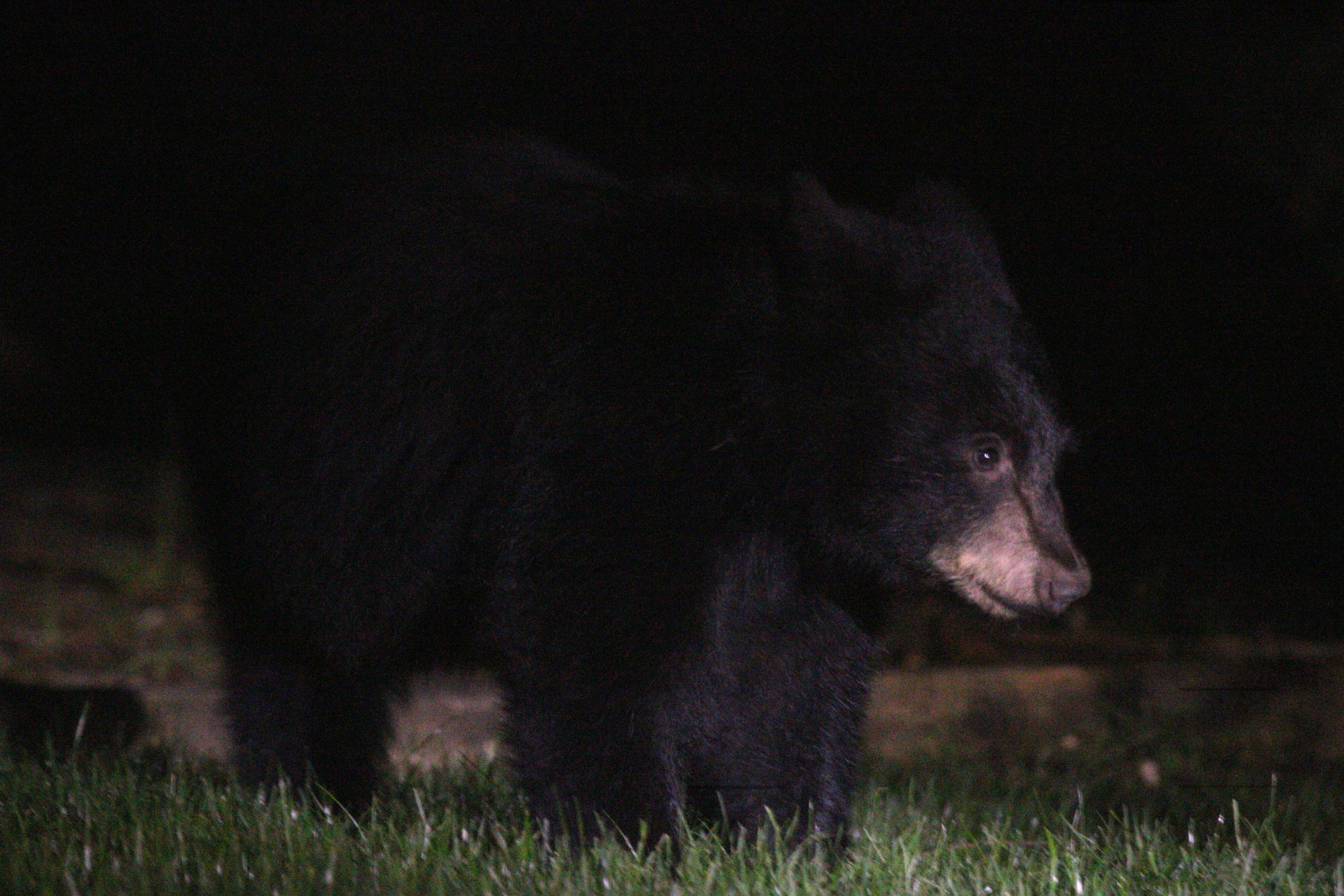
A cub spotted night time in front of my kitchen window in Coquitlam.
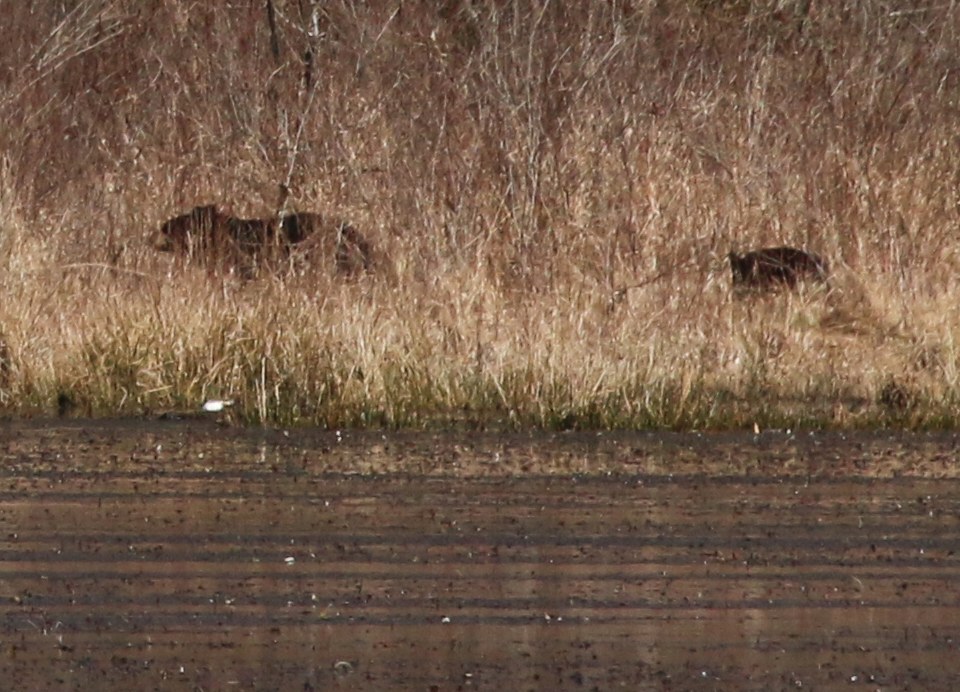
A mother with a small cub in Minnekada Prov. Park Port Coquitlam.
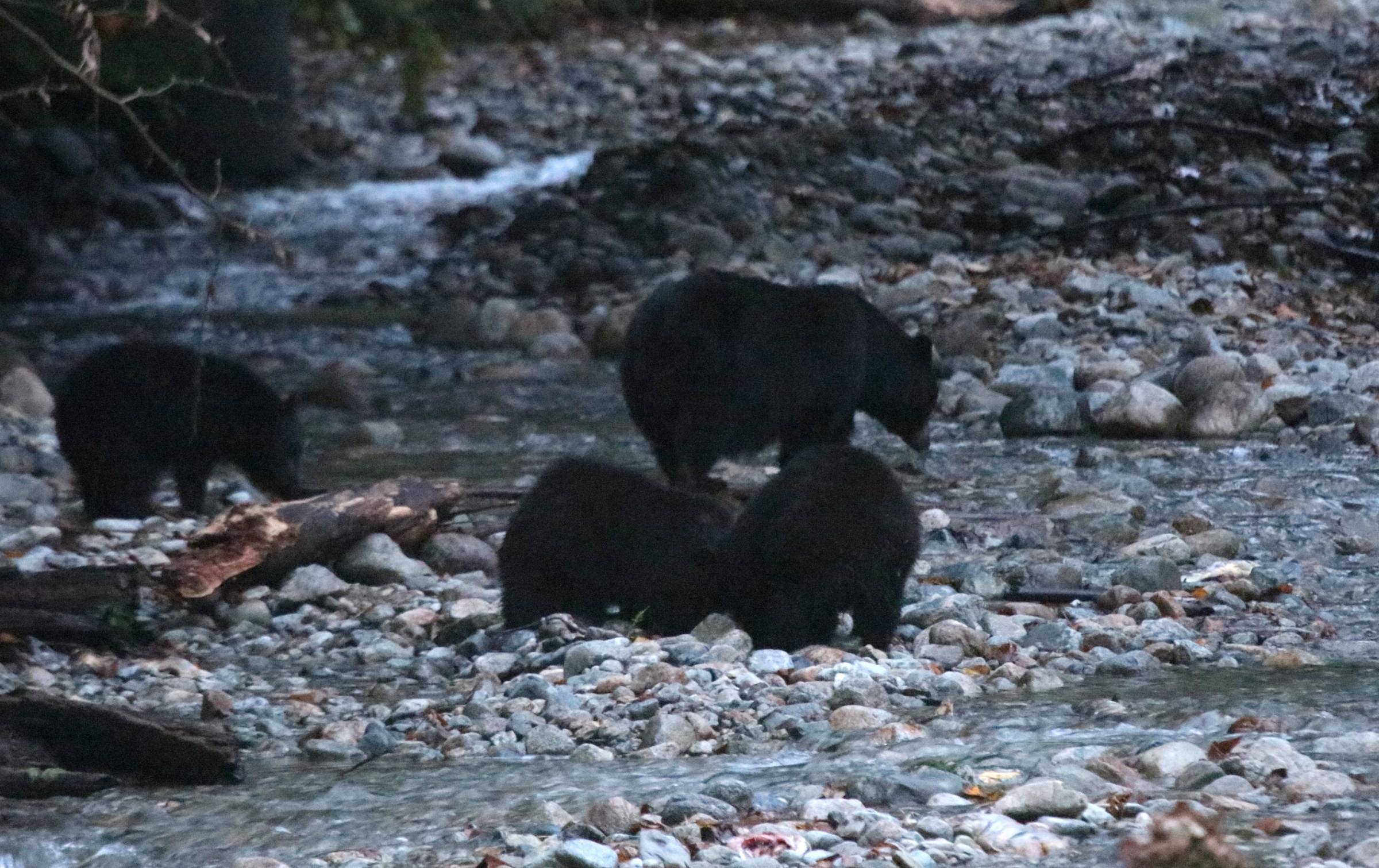
A family of four feeding on salmon in a creek in Port Coquitlam.
Photo Gallery
Loading comments…